

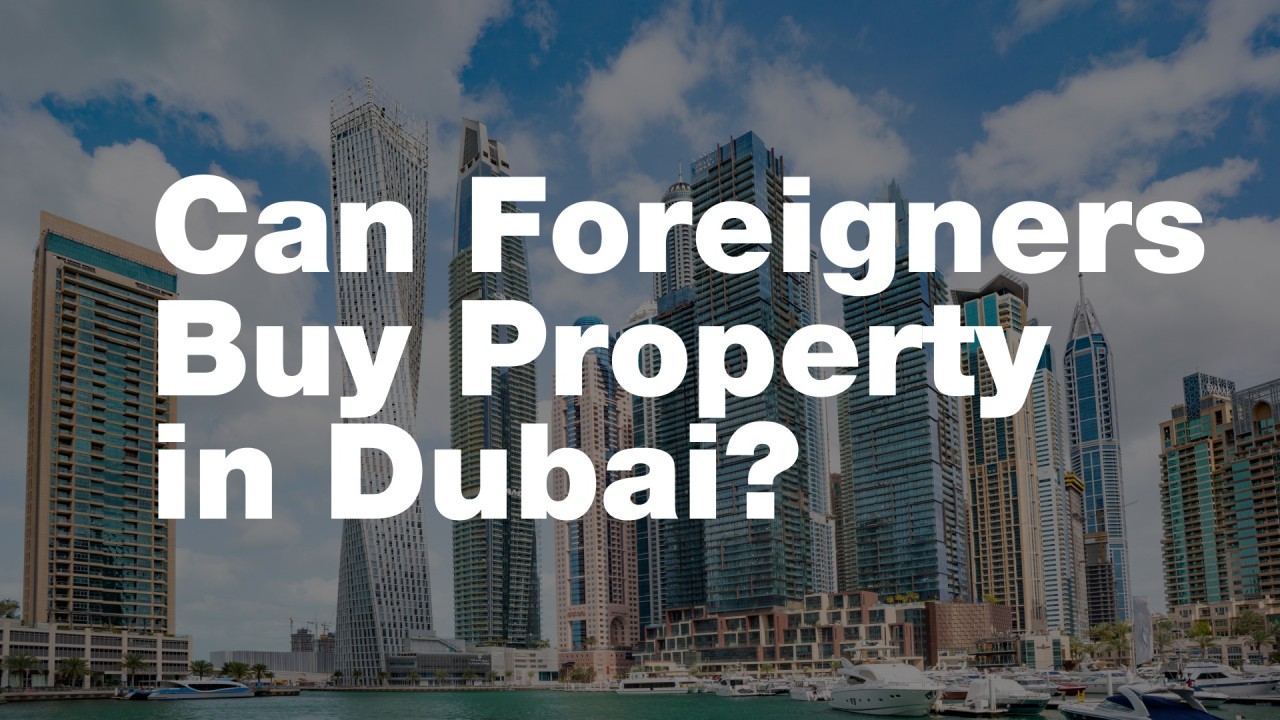
If you’re considering buying property in the UAE, particularly in Dubai, you’re stepping into a market ripe with opportunities. As a foreigner, you can enjoy benefits like 100% ownership in designated areas and a tax-friendly environment. However, understanding the various property types and regulations is essential for making informed decisions. Curious about how to navigate this dynamic landscape? Let’s explore what you need to know to maximize your investment.
Eligibility of Foreigners to Buy Property in Dubai
If you’ve ever thought about investing in Dubai’s thriving real estate market, you’ll be pleased to know that foreigners can easily buy property here. The UAE government encourages international investment, allowing both non-residents and expats to purchase properties in designated areas. This openness not only diversifies the property market but also enhances your investment strategies. You can own 100% of a property in freehold zones, meaning you don’t need a local partner.
When considering property options, you’ll find that Dubai offers a range of residential and commercial properties, each with unique benefits. The absence of property taxes further sweetens the deal, ensuring your returns remain high. Plus, owning property can lead to a long-term residence visa, adding another layer of appeal. So, if you’re ready to explore the lucrative opportunities in Dubai’s real estate, now’s the perfect time to immerse yourself!
Types of Properties Available for Foreigners
When exploring the real estate market in Dubai, you’ll uncover a diverse range of property types available for foreigners, each offering unique investment opportunities. You’re primarily looking at freehold and leasehold properties. Freehold properties grant you full ownership rights, allowing you to buy or rent in designated areas like Palm Jumeirah and Dubai Marina. This aligns well with current property market trends, showcasing high demand in these locations.
On the other hand, leasehold properties give you long-term rights, typically for 99 years, which can also present lucrative investment opportunities. Both options cater to various investment strategies, regardless of if you’re eyeing rental income or capital appreciation.
With no taxes on property purchases or rental income, Dubai’s real estate landscape remains a prime choice for foreign investors. Your venture into this market could yield substantial returns, so consider your options carefully to maximize your investment potential.
Freehold vs. Leasehold Properties
Understanding the differences between freehold and leasehold properties is essential for anyone looking to invest in Dubai’s real estate market. Freehold properties grant you complete ownership of the land and the building, allowing for flexibility in property management and investment strategies. This option is ideal if you want full control over your investment.
On the other hand, leasehold properties provide you with the right to use the property for a long-term lease, typically up to 99 years. While this can be a more affordable entry point, it restricts your ability to make significant changes without the freehold owner’s consent.
When choosing between the two, consider your long-term goals. If you plan to maximize your investment potential, freehold properties often prove to be a more advantageous choice. However, if you’re looking for less commitment, leasehold might suit your needs better. Make an informed decision that aligns with your investment strategy.
The DLD updates the freehold areas on yearly basis and some of these areas are:
- The Palm Jumeirah
- Downtown Dubai
- Burj Khalifa
- Dubai Marina
- Emirates Hills
- Barsha Heights
- Blue Water Island
- Business Bay.
Purchasing Properties for Business Use
As you explore investment opportunities in Dubai, consider the potential of purchasing properties for business use. This option opens doors to various business property types that can enhance your commercial investment strategies.
- Access prime locations for your business
- Leverage tax advantages in the UAE
- Diversify your investment portfolio
- Generate rental income through leasing
- Benefit from a growing economy
Tax Implications for Foreign Property Buyers
Maneuvering the property market in Dubai offers numerous advantages, especially for business-minded investors. One notable benefit is the absence of taxes on property purchases and rental income. This tax-friendly environment encourages you to explore diverse investment strategies without the burden of additional costs.
Here’s a quick look at the tax implications for foreign property buyers:
| Aspect | Details |
|---|---|
| Property Purchase Tax | None |
| Rental Income Tax | None |
| Capital Gains Tax | None |
| Property Management Fees | Minimal, varies by service |
With no tax liabilities, you can focus on maximizing your returns through effective property management. Embracing this zero-tax approach can greatly enhance your investment portfolio, making Dubai a prime location for your next real estate venture. Act now, and reap the benefits of a thriving market!
Residence Visa Opportunities for Property Investors
When you invest in property in Dubai, you access the potential for a long-term residence visa, enhancing your living experience in this vibrant city. This opportunity not only provides a place to call home but also opens the door to a plethora of investment opportunities.
- Secure a 3-year residence visa with a property worth AED 750K.
- Obtain a 5-year residence visa for investments over AED 5M.
- Enjoy a tax-friendly environment with no property taxes.
- Access a diverse real estate market in iconic locations.
- Experience a luxurious lifestyle in one of the world’s fastest-growing cities.
Financing Options for Foreign Buyers
Maneuvering the financing landscape for property purchases in Dubai can be straightforward, especially for foreign buyers keen to invest in this thriving market. You’ll find a variety of mortgage options available through both national and private banks, making it easier to secure the funds you need. To qualify, however, you must meet specific financing requirements, which can vary by lender.
Generally, banks will assess your monthly income, credit history, and the property’s location. Keep in mind that most banks prefer a minimum monthly income of around AED 15,000. Additionally, some lenders might require a down payment ranging from 20% to 25% of the property’s value.
With the right preparation and understanding of your financial situation, obtaining a mortgage in Dubai can open doors to exciting investment opportunities, allowing you to make your property dream a reality.
Steps to Purchase Property in Dubai
Once you’ve secured financing for your property in Dubai, it’s time to navigate the purchasing process. Follow these essential steps to guarantee a smooth transaction:
- Choose an Approved Developer: Verify the developer’s approval by the DLD for new units.
- Select a Registered Real Estate Agent: Work with an agent registered with the Real Estate Regulatory Agency.
- Obtain a No Objection Certificate: Required for both resale and new units.
- Register the Property: Confirm the property is registered under your name at the DLD.
- Stay Informed on Property Market Trends: Understanding current trends will help you make informed investment strategies.
Benefits of Buying Property in Dubai
Buying property in Dubai offers numerous advantages that can greatly enhance your investment portfolio or lifestyle. One of the most appealing aspects is the potential for high returns, driven by booming real estate trends and an ever-growing demand for residential and commercial spaces. By adopting smart investment strategies, you can capitalize on Dubai’s dynamic market, which boasts a blend of luxury and affordability.
Additionally, the tax-friendly environment guarantees that your rental income remains untaxed, maximizing your profits. Owning property in Dubai also grants you a long-term residency visa, providing stability and access to the vibrant lifestyle the city offers. With foreign ownership permitted in designated freehold areas, you can enjoy complete control over your investment without needing a local partner. Overall, investing in Dubai real estate not only secures your financial future but also allows you to be part of a thriving cosmopolitan community.
Understanding Property Ownership Regulations in Dubai
How well do you understand the property ownership regulations in Dubai? Knowing the rules is essential for making informed decisions in this thriving market. Here are some key points to keep in mind:
- Foreigners can buy properties in freehold areas.
- You’ll need a valid Trade License for commercial properties.
- No property taxes exist for foreign buyers.
- Residency visas are available based on property investment.
- Understanding property market trends can enhance your investment strategies.
Navigating these regulations isn’t just about compliance; it’s about leveraging them to maximize your investment potential. The Dubai government has created a favorable environment for foreign buyers, making it an attractive destination for real estate investments. By staying informed, you can seize opportunities that align with current property market trends and develop effective investment strategies that suit your financial goals.